
Key Takeaways
- Hantavirus is primarily transmitted by breathing in air contaminated with infected rodent urine, droppings, or saliva – not by touching rodents directly.
- Hantavirus Pulmonary Syndrome (HPS) starts with flu-like symptoms but can rapidly progress into life-threatening respiratory failure.
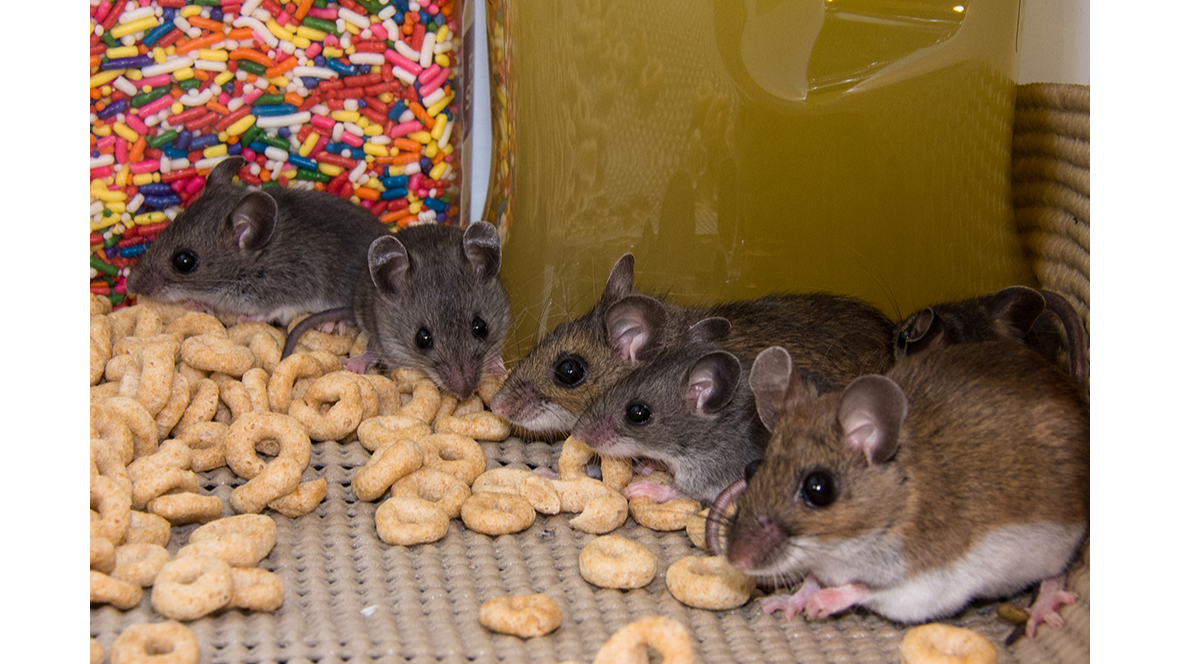
- Deer mice are the main carriers of the Sin Nombre virus, the strain responsible for most HPS cases in North America – and they do live in the Mid-Atlantic region.
- Dry sweeping or vacuuming rodent droppings is one of the most dangerous cleanup mistakes a homeowner can make, as it can aerosolize the virus.
- Read on to learn exactly how rodents get inside, what diseases they carry beyond Hantavirus, and why professional rodent control is the safer path forward.
Breathing Contaminated Air Is How Most People Catch Hantavirus
Most people assume Hantavirus requires a bite or direct contact with a rodent. It doesn’t. The CDC identifies inhalation as the primary transmission pathway – breathing in microscopic airborne particles released from infected rodent urine, droppings, or saliva. When dried rodent waste is disturbed, those particles become suspended in the air and can be inhaled without anyone realizing what’s happening.
Homeowners dealing with active or past rodent activity should treat any contaminated space with caution before entering. Connor’s Pest Pros, a pest control company serving the VA, DC, and MD region, flags this airborne transmission route as one of the most misunderstood risks during DIY rodent cleanup attempts.
What Makes Hantavirus So Dangerous
Hantavirus Pulmonary Syndrome (HPS) Explained
Hantavirus Pulmonary Syndrome (HPS) is a severe, sometimes fatal respiratory disease caused by hantaviruses. It develops when a person inhales aerosolized particles from contaminated rodent waste – particularly in poorly ventilated or enclosed environments. There is no specific cure or approved antiviral treatment for HPS. Supportive medical care is the primary response, which is why early recognition matters so much.
Symptoms That Start Like the Flu – Then Turn Severe
Symptoms of HPS typically appear anywhere from one to eight weeks after exposure. Early on, the illness looks almost identical to the flu:
- Fever and fatigue
- Muscle aches
- Headaches
- Nausea or general discomfort
In more serious cases, the disease takes a sharp turn. Respiratory symptoms emerge – coughing, shortness of breath, and chest tightness – as the lungs begin to fill with fluid. This progression can happen quickly. Anyone who has recently spent time in a rodent-contaminated space and develops these symptoms should inform their doctor of that exposure immediately.
How Rodents Spread More Than Just Hantavirus
Salmonella, Leptospirosis, and Respiratory Triggers
Hantavirus gets the headlines, but a rodent infestation brings additional health threats into a home or business. Rodents are documented carriers of Salmonella, spread through contaminated food surfaces and stored food; Leptospirosis, a bacterial disease transmitted through infected urine that can affect both humans and pets; and a range of respiratory irritants that aggravate asthma and allergy symptoms. Rodent dander, dried urine particles, and droppings all contribute to poor indoor air quality – a serious concern for children, the elderly, and anyone with a respiratory condition. A rodent infestation is an air quality and food safety problem, not just a pest problem.
The Riskiest Cleanup Mistakes Homeowners Make
Why Dry Sweeping Is Dangerous
The instinct when finding rodent droppings is to grab a broom and sweep them up. That instinct can be genuinely dangerous. Dry sweeping or vacuuming rodent droppings can aerosolize virus particles – launching them directly into the breathing zone. The CDC, along with many state health departments, explicitly advises against both dry sweeping and vacuuming in areas with rodent droppings for exactly this reason.
CDC Safe Cleanup Protocol
The CDC recommends a specific approach to reduce exposure risk during cleanup:
- Ventilate the area first. Open windows and doors and leave the space for at least 30 minutes before entering to allow fresh air to dilute any airborne particles.
- Wear PPE. Rubber or plastic gloves and a properly fitted respirator (at minimum an N95) are required before entering the contaminated area.
- Wet the area before cleaning. Spray rodent droppings, nesting materials, and contaminated surfaces with a disinfectant solution. Allow it to soak for 5-15 minutes before wiping up.
- Use damp paper towels or rags – never a broom. Pick up the moistened material and seal it in a plastic bag before disposal.
- Disinfect all surfaces that may have come into contact with rodent waste, including floors, counters, and storage areas.
For extensive infestations, this process is best handled by professionals who have the equipment and training to manage contaminated environments safely.
How Rodents Get In – And How to Stop Them
Rodents are built to squeeze through surprisingly small gaps. Mice can fit through openings as small as a quarter-inch – roughly the diameter of a pencil eraser. Rats aren’t much harder to exclude. Common entry points include gaps around utility pipes, cracks in foundations, spaces under garage doors, deteriorating window frames, and openings around HVAC lines. Once inside, rodents nest quietly in wall voids, attics, and crawl spaces, reproducing rapidly before most homeowners realize there’s a problem.
Effective prevention goes beyond setting traps. Long-term exclusion requires sealing every potential entry point with appropriate materials – steel wool, hardware cloth, caulk, or metal flashing – combined with removing food sources and reducing clutter in storage areas that provide nesting opportunities.
Why Professional Rodent Control Is the Safer Choice
DIY rodent control has real limitations. Store-bought traps and baits address individual rodents but do nothing about the colony, the entry points, or the contamination left behind. Disturbing a nest without properly containing it can scatter rodents into new areas of a home, spreading the problem rather than solving it.
Professional rodent control applies Integrated Pest Management (IPM) strategies – a systematic approach that combines inspection, targeted elimination, structural exclusion, and long-term monitoring. Professionals can identify rodent pressure points that aren’t visible to the untrained eye, seal entry points correctly, and advise on safe cleanup procedures that reduce health risks. When an infestation has been active long enough to leave behind significant droppings or nesting material, professional remediation is the option that protects health – not just the more convenient one.
Don’t Wait – Contact a Pro Today
Rodent infestations carry real consequences. Between the Hantavirus risk, secondary diseases, structural damage, and hidden contamination, letting a rodent problem go unaddressed is a serious gamble. The window between early signs and a full infestation closes fast – rodents breed quickly, and by the time droppings are visible in multiple areas, the problem is already significant.
The right move is to act early, clean up safely, and close off every entry point before the next season brings more wildlife pressure. That’s difficult without the right knowledge and tools – which is exactly why professional intervention matters.
Connor’s Pest Pros
5410 Port Royal Rd
Springfield
VA
22151
United States


