
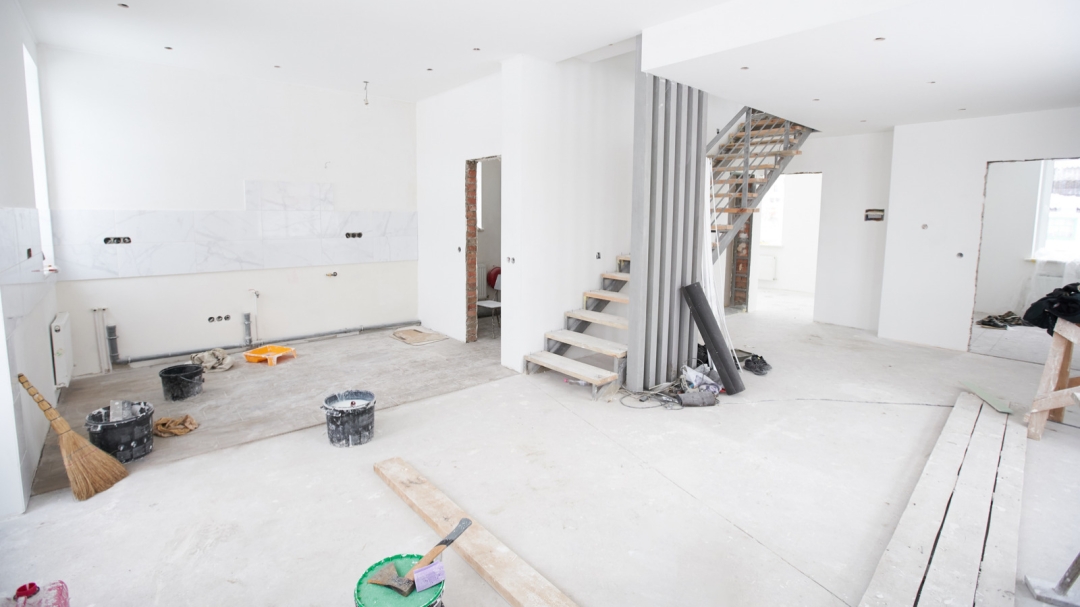
Singapore – October 19, 2026 – Sustainable workplace design is becoming an increasingly important consideration for businesses looking to create healthier, more efficient, and future-ready offices. An experienced office renovation company in Singapore can incorporate sustainable principles into everything from material selection and lighting to space planning and energy management.
Demo Squad approaches sustainability as part of practical office design, focusing on solutions that support business operations while helping reduce unnecessary resource consumption.
What Does Sustainable Office Design Mean?
Sustainable office design is not simply about adding plants or choosing environmentally friendly furniture. It involves considering how a workplace uses energy, water, materials, and space throughout its lifespan.
A sustainable office should ideally be efficient to operate, comfortable for employees, durable enough to withstand everyday use, and adaptable to future business needs.
The planning stage is particularly important because decisions made before construction begins can influence the environmental performance of the workplace for many years. Layout, lighting, ventilation, finishes, furniture, and technology infrastructure can all contribute to a more responsible office environment.
How Can Natural Light Improve Sustainability?
Natural light is one of the simplest ways to create a more pleasant and potentially more energy-efficient workplace. A thoughtful office layout can position workstations and shared spaces where they can benefit from available daylight.
Large windows, glass partitions, and open sightlines can help distribute natural light across different parts of the office. This can reduce reliance on artificial lighting during suitable periods while creating a brighter and more welcoming atmosphere.
However, natural light needs to be managed carefully. Excessive sunlight can cause glare and increase indoor heat, which may affect employee comfort. Window treatments, suitable glazing, and appropriate workstation positioning can help achieve a better balance.
Why Is Energy-Efficient Lighting Important?
Lighting can have a significant effect on office energy consumption. Modern LED lighting systems generally provide an efficient alternative to older lighting technologies while offering flexibility in colour temperature, brightness, and design.
Businesses can also consider lighting controls that allow different areas to be illuminated according to occupancy and usage. Meeting rooms, storage areas, corridors, and other spaces may not need the same lighting levels throughout the day.
Motion sensors, timers, and zoning can help prevent lights from remaining on unnecessarily. These measures can be incorporated into the renovation plan rather than added as an afterthought.
How Does Material Selection Support Sustainability?
The materials used during renovation can influence both environmental impact and long-term maintenance requirements.
Durable materials can be particularly valuable because they may not need to be replaced as frequently. Flooring, cabinetry, partitions, countertops, and furniture should be selected based on expected usage rather than appearance alone.
Where appropriate, businesses can also explore materials made from recycled or responsibly sourced content. Low-emission finishes and products can be considered when creating a healthier indoor environment.
Sustainability does not mean choosing the most expensive material available. The objective is to find products that provide an appropriate balance between durability, performance, appearance, maintenance, and environmental considerations.
Can Renovation Waste Be Reduced?
Renovation work can generate considerable waste if materials are poorly planned or excessive quantities are ordered.
Accurate measurements and detailed material planning can help reduce unnecessary offcuts and unused products. Existing elements that remain in good condition may also be retained or repurposed where practical.
For example, some existing furniture may be refurbished rather than discarded. Certain fixtures, partitions, or fittings may also be suitable for reuse depending on their condition and the new design.
Responsible waste handling should form part of the project plan. Separating appropriate materials for recycling or proper disposal can help reduce the amount of construction waste sent to landfill.
How Can Space Planning Make an Office More Sustainable?
Efficient space planning can contribute to sustainability because it reduces the need to build unnecessary areas. Instead of creating separate rooms for every possible function, businesses can design flexible spaces that serve multiple purposes.
A meeting room may also function as a collaborative workspace. A breakout area can provide informal seating while supporting short meetings. Flexible partitions can allow spaces to change as team sizes and working patterns evolve.
This approach can help businesses avoid frequent renovations as their needs change.
For a company comparing options from an office renovation company in SG, it is worth asking how the proposed layout will perform not only today but also several years into the future.
Why Should Indoor Air Quality Be Considered?
Employees spend a significant portion of their working day indoors, making indoor environmental quality an important part of sustainable office design.
Material selection, ventilation, air-conditioning, and spatial planning can all influence workplace comfort. Finishes with lower emissions may be considered where appropriate, while adequate ventilation can help maintain a comfortable indoor environment.
Furniture placement should also avoid unnecessarily obstructing airflow.
Sustainability and employee wellbeing can often work together. A workplace that uses resources efficiently while providing a comfortable environment can offer benefits beyond environmental performance.
Can Sustainable Furniture Make a Difference?
Furniture is an important part of any office renovation, and sustainability can be considered when selecting desks, chairs, storage systems, and other furnishings.
Businesses can look for durable products designed for long-term use rather than choosing furniture based purely on initial price. Modular furniture can also provide flexibility because individual components can potentially be replaced or rearranged without replacing an entire system.
Refurbishing existing furniture may be another option when the condition and design are suitable.
The best choice depends on the company’s requirements, budget, workplace design, and expected lifespan of the furniture.
How Does Technology Support Sustainable Offices?
Technology can help businesses use their office resources more efficiently. Smart lighting controls, energy monitoring systems, efficient equipment, and automated systems can provide greater visibility and control over resource consumption.
Technology should be considered during the initial renovation design so that electrical and data infrastructure can accommodate future requirements.
A well-planned technology system can also support flexible working arrangements. If fewer employees are physically present on certain days, businesses may be able to make better use of shared spaces rather than maintaining large areas that remain unused.
What Role Does Water Efficiency Play?
Water efficiency may receive less attention than lighting or materials, but it can still form part of a sustainable workplace strategy.
Where suitable, businesses can consider water-efficient fixtures in pantry and washroom areas. These may help reduce unnecessary water consumption without affecting everyday functionality.
Maintenance should also be considered. Fixtures that are easy to inspect and maintain can make it easier to identify leaks or other problems before they become larger issues.
Sustainable design works best when environmental considerations are integrated into normal workplace operations.
How Can Businesses Choose the Right Renovation Partner?
Finding a suitable contractor is an important part of achieving a sustainable renovation. A search for an office renovation company near me may provide convenient options, but businesses should look beyond location when making their decision.
Ask potential contractors about their experience with sustainable materials, energy-efficient solutions, waste management, space planning, and long-term workplace design.
It is also useful to review previous projects and discuss the reasoning behind proposed materials and systems. A good contractor should be able to explain how each recommendation benefits the workplace rather than simply presenting sustainability as a marketing feature.
Businesses looking for a Singapore office renovation services should also consider communication, project management, workmanship, budget transparency, and the ability to coordinate different aspects of the renovation.
About Us
Sustainable office design is ultimately about making thoughtful decisions that benefit both the business and its workplace. Efficient lighting, natural daylight, durable materials, responsible waste management, flexible layouts, appropriate furniture, and smart technology can all contribute to a more sustainable office without compromising aesthetics or functionality.
The most effective approach is to consider sustainability from the earliest planning stages rather than treating it as an additional feature at the end of the renovation. With careful design and practical decision-making, businesses can create workplaces that are efficient, comfortable, adaptable, and better prepared for the future.
For companies planning a sustainable workplace transformation, Demo Squad can help develop practical renovation solutions that balance environmental considerations with functionality, professional design, and the everyday needs of the business.
Frequently Asked Questions
1. Is sustainable office renovation more expensive?
Not necessarily. Some sustainable solutions may have a higher initial cost, but durable materials, efficient lighting, flexible layouts, and reduced resource consumption can provide long-term value. The right approach depends on the project’s priorities and budget.
2. What is the easiest sustainability improvement for an office?
Lighting is often a practical starting point. Efficient LED fixtures, zoning, occupancy controls, and better use of natural daylight can improve lighting performance without requiring major changes to daily operations.
3. Can Demo Squad help businesses select sustainable renovation materials?
Yes. Demo Squad can help businesses consider suitable materials based on durability, appearance, maintenance, budget, and sustainability objectives. The right choices depend on how each area of the office will be used.
4. How can an office renovation reduce construction waste?
Accurate measurements, careful procurement, reuse of suitable existing elements, efficient cutting plans, and responsible waste separation can all help reduce unnecessary waste during renovation.
5. Can Demo Squad create a sustainable office without making it look overly industrial?
Yes. Sustainable design does not require a particular visual style. Eco-conscious materials, efficient systems, natural lighting, flexible layouts, and durable finishes can be incorporated into modern, professional, and brand-focused office designs.
Media Contact
Company Name: Demosquad
Contact Person: Rachel
Email: Send Email
Phone: +65 9645 5336
Address:28, Sin Ming Ln, #08-139
City: Midview City
Country: Singapore
Website: https://demosquad.sg/
Press Release Distributed by ABNewswire.com
To view the original version on ABNewswire visit: How Does an Office Renovation Company in Singapore Approach Sustainable Office Design?


